


I Only Started Really Learning After I Quit Piano Lessons
Contents

This post was automatically translated by AI from the Japanese original.
This year, I quit the piano lessons I’d been taking for about six months.
Why I Quit Piano Lessons
The reason is that the gap between what I wanted to know and what the lessons could teach me kept growing.
At first, we used nursery songs and kept working on adding chords to simple melodies, and it was good practice.
But I didn’t know what the next step was.
My left hand was stuck playing plain chords.
I love the feel of the original songs, but I had no idea how to recreate it.
When I brought in songs I had worked out by ear, my teacher would tell me about notes and chords I couldn’t hear, but my arranging never went any deeper.
My teacher also showed me songs they had composed and arranged, but I kept thinking, “I don’t want to see the finished piece. I want to know the approach that gets me to the point where I can do it…”
Once I’ve added chords, how do I turn that into an arrangement?
What should I learn to move forward?
I asked my teacher, but I couldn’t find a clear answer.
At the same time, I noticed that I had been leaning on my teacher, expecting that “if I go to lessons, they’ll teach me the skills I need.”
▼ The post I wrote when I decided to take lessons
Sorting Out What I Can and Can’t Do, to Face Self-Study
From here on, all I can do is learn on my own through trial and error.
First, I tried sorting out what I can do and what I can’t.
They say the classic way is to listen to lots of different songs, imitate them, and add them to your own drawer of ideas.
But that’s really hard.
People say “playing by ear” is the way to build composing and arranging skills, but
- I can’t hear the bass or the chords
- I don’t know how to program the drums
- I don’t know how to recreate the sounds of the original
It’s so hard and takes so long that I keep starting and giving up.
The Words That Saved Me from the Frustration of “Can’t”
Around then, I read the phrase “just do what you can understand right in front of you.”
Yes, all you need to do is know.
And what you actually do is what is right in front of you now. You do what you can do “now” but haven’t been doing.
What you will do from here is only what you can do “now.”
You must not imitate what you can’t do “now.”
What you can do is what you are meant to do.From Hana to Okane (Flowers and Money; a Japanese book)
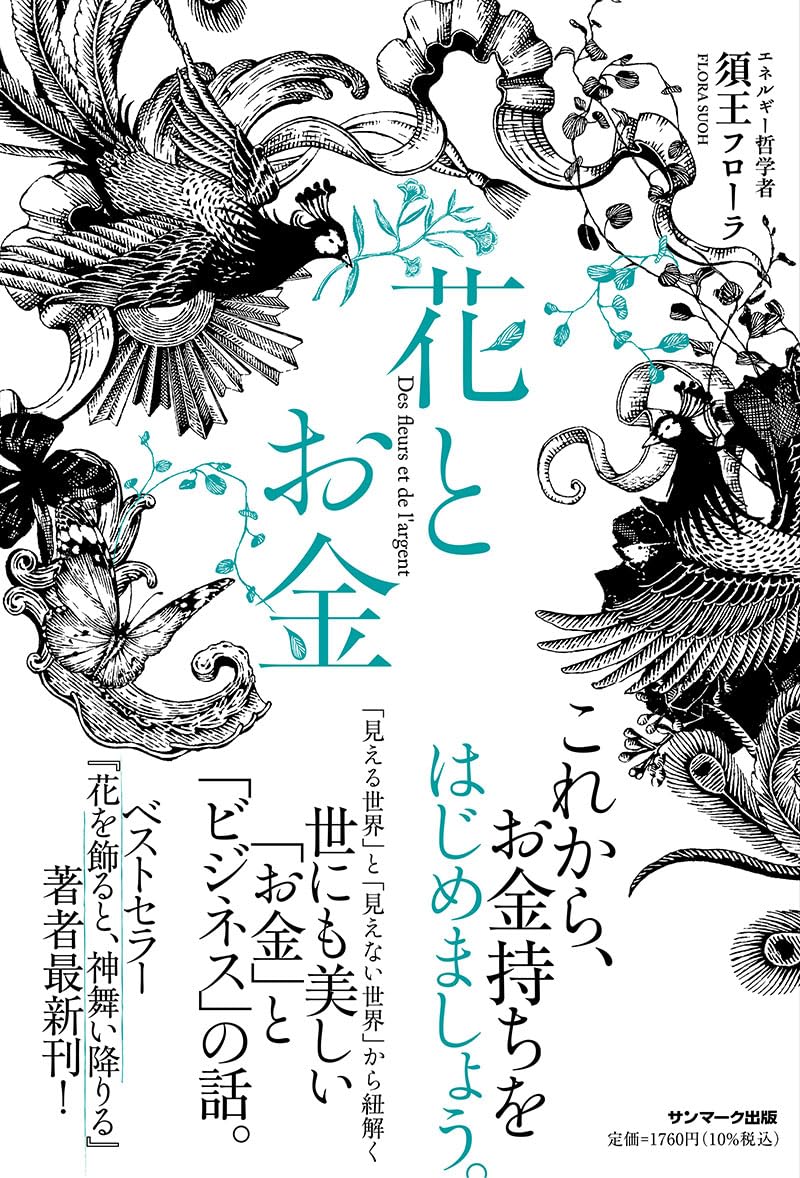
Rather than forcing myself to stretch for things I can’t do right now, it feels much safer to build up the things I can do.
What I Noticed: This Might Be the Same as English
When I lined up the things I can’t do, I thought, “Isn’t this the same as learning English?”
Playing by ear is like English listening (dictation), and chords, scales and tensions are like memorizing English vocabulary.
I learn new words every day.
So why not learn chords the same way: play them on the piano and get a feel for how they’re built and how they sound?
For now, I’ll set the difficult-looking ear training aside and start with what I can memorize: chords and scales.
Once I realized that, I decided to make Anki cards to learn chords and scales.
Chords I had struggled with for half a year of lessons went into my head easily in two months.
“Learning chords sounds hard” was just an assumption.
And above all, the feeling of understanding a little more every day kept raising my motivation.
You Can Design How You Learn
Everyone learns differently.
What matters, I realized, is designing how you learn yourself.
My method is simple.
- Try it as I am now (ear training, composing, etc.)
- Sort out what I could do and what I couldn’t
- Look for practice methods that would let me do what I want to be able to do
- Within those methods, try what I can do now
I just repeat this.
That alone makes the path forward appear naturally.


